












|
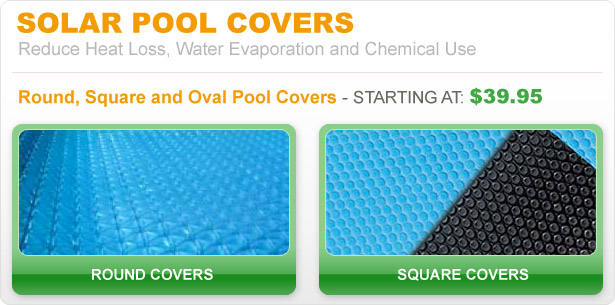
 Solar Pool CoversThermo-tex technology maximizes a heating blanket's ability to absorb thermal energy and maintain it. Superior light diffusion properties enhance the power of the sun's rays. The result is a warmer pool, energy conservation, and lower operating costs. By minimizing convective heat loss, the blanket is also effective in keeping indoor pools warmer. Pool covers are the most cost-effective measure to reduce heat loss, water evaporation, and chemical use. Not having a solar pool cover is akin to heating a home with the doors and windows open; you can do it but you will expend far more energy than you need to in the process. All heating systems should be used in conjunction with a solar pool cover to ensure a cleaner, warmer, and more enjoyable pool. In addition to significant energy savings, solar pool covers also do the following:
Why do I need a solar pool cover? Covering a pool when it is not in use is the single most effective means of reducing pool maintenance costs. As much as 70% of heat loss from a swimming pool is evaporative. A pool cover acts as a vapor barrier for both indoor and outdoor pools, dramatically cutting heat losses from evaporation, resulting in significant energy savings. Why does evaporation cause so much heat loss? Evaporation releases a tremendous amount of energy. While it only takes 1 Btu (British thermal unit) to raise 1 pound of water 1 degree, each pound of 80ºF water that evaporates sucks 1,048 Btu of heat out of the pool. The evaporation rate is dependent on many factors, including the pool's initial temperature, the surrounding air temperature and humidity, and the wind speed at the pool surface. The higher the pool temperature and wind speed and the lower the humidity, the greater the evaporation rate. Though a windbreak- such as trees, shrubs, or a fence-can reduce evaporation, it may shade the pool from the sun, which is a strong natural heat source for the pool. A solar pool cover isolates the pool from the majority of evaporation factors by creating a small, 100% humid environment that cannot accept additional evaporation. Do indoor pools lose heat to evaporation? Though indoor pools aren't subjected to the elements, they still lose the same percentage of energy from evaporation as an outdoor pool. The humidity in an inside pool area is evidence of high amounts of evaporation. An indoor pool requires ventilation and air conditioning systems to cut through the humidity, which increases energy costs. So while you may not think that a pool cover is necessary indoors it will help the energy costs just as substantially. What are different types of pool covers? Pool covers are designed using UV-stabilized polyethylene, polypropylene, or vinyl to resist deterioration. A cover lasts several years. Solar covers are reminiscent of bubble packing material, but using a thicker grade of plastic with UV inhibitors. Vinyl covers consist of a heavier material and have a longer life expectancy than bubble covers. Insulated vinyl covers are also available with a thin layer of flexible insulation sandwiched between two layers of vinyl. Solar Pool HeatingOther Related Learning CentersSolar Learning Center: Outdoor | Solar Learning Center: Water 



|
     |

   Copyright © 1998 - 2010 All Rights Reserved
|